Edit Mode — Press E to exit

The Canonical Design
for Consumer Research

Ario — 2026

A small curve changes everything.

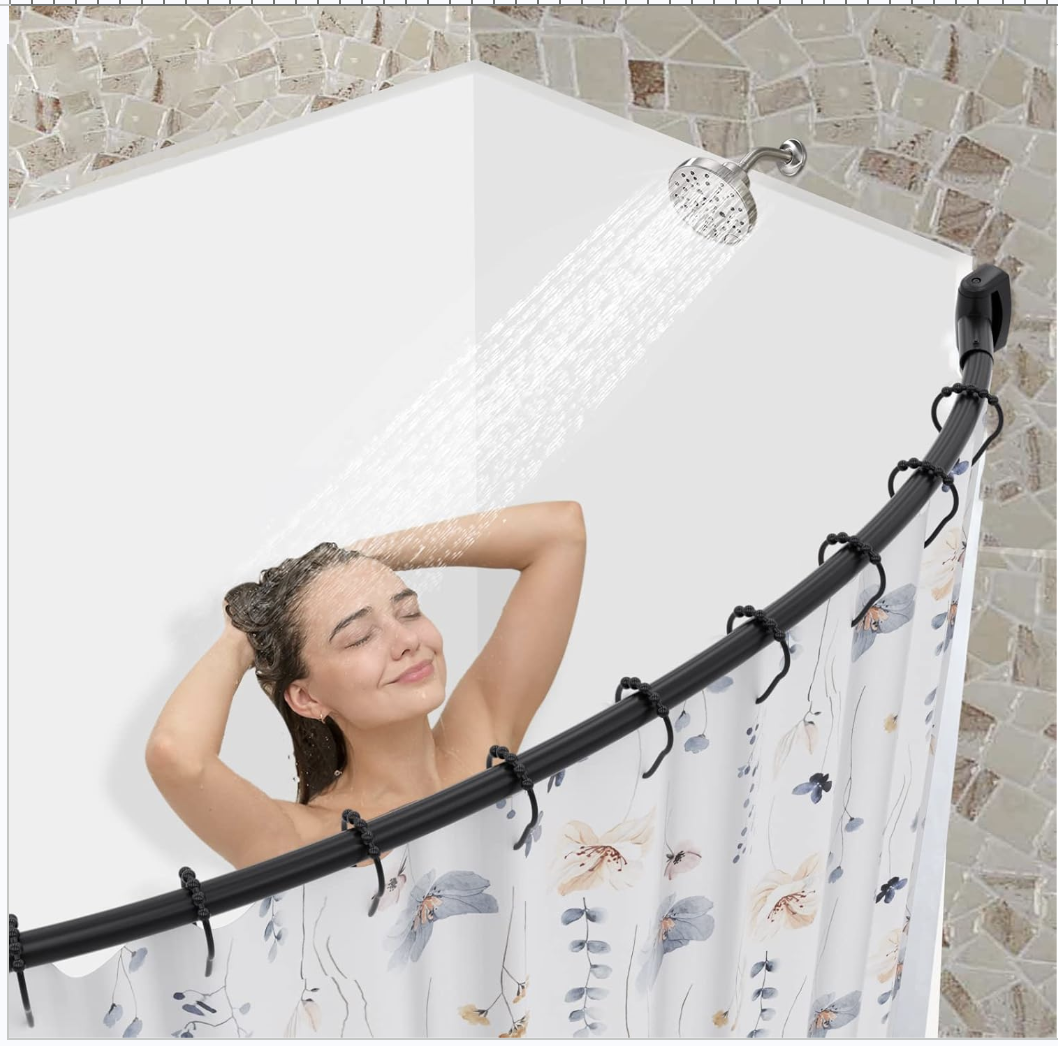
People are trapezoids. A curved rod makes the shower feel twice as big — same cost, same install, instant upgrade.

Straight shower curtain rod Straight
Curved shower curtain rod giving extra shower space Curved
2

What makes a
canonical design?

3
1
You instantly know what it is, how it works, and that it's better.
2
Same technology and cost level as what came before.
3
Creates a new, stable plateau that fully displaces the old design.
4

Question 11

Add the respondent's real purchase data to every survey.

10-Question Survey
+
Real Purchase History
Anker 622 MagGo Battery $27.99
Apple AirPods Pro (2nd Gen) $189.99
Logitech MX Master 3S $89.99
Anker PowerCore 10000 $21.99
Samsung T7 Shield SSD 1TB $79.99
USB-C Charging Cable 3-Pack $12.99
5

Same three criteria. Same answer.

1
Hundreds of customer conversations. Zero objections.
Everyone instantly sees it's better.
2
$5 → ~$5.50 per response.
Marginal cost increase. Same workflow.
3
Why would you ever not want real purchase data alongside stated answers?
This becomes the new default.
6

"But will users
share their data?"

7

They already do.

Account linking isn't new. People do it every day, at massive scale.
8

Putting this in context.

10–20 survey questions
Respondents already sign up to spend 5–15 minutes answering survey questions. That's the baseline effort they've already agreed to.
+
15-second data link
One-time account connection. Minimal incremental effort — not a major friction point in practice.
The incremental ask is trivial compared to what they're already doing.
9

The curved rod for
consumer research.

Survey responses are what people say.
Purchase data is what they do.
The canonical design combines both.

sumit@ariodata.com

10

Appendix

Top 3 Battery Brand
Survey Augmentation

Three examples of survey responses enriched with real purchase data.

11

Q1: Brand Preference

Survey response + behavioral data enrichment

Survey Response
Q1 Select your top battery brands
Multi-select
a. Energizer
b. Duracell
c. Rayovac
d. Panasonic
e. Amazon Basics
f. Other
+
Transactional Data

Share of Orders Over Time

User 3313 · Battery orders by brand, 3-year history

100% 50% 0%
3y ago 1y ago 6mo Today 20% 80%
Energizer Duracell
12

Q2: Device Usage

Survey response + behavioral data enrichment

Survey Response
Q2 Which devices in your home are most frequently powered by batteries?
Multi-select
a. TV / entertainment remotes
b. Smoke / CO detectors
c. Flashlights / lanterns
d. Children's toys
e. Gaming peripherals
f. Clocks
g. Smart home devices
+
Behavioral Data

Device Categories — Battery Purchase Triggers

User 3313 · 53 battery orders, 487 kids purchases

Children's toys 20 orders
Remotes / clocks 5 orders
Gaming peripherals 3 orders
13

Q3: Price Perception

Survey response + behavioral data enrichment

Survey Response
Q3 Pack of 16 rechargeable AA batteries — at what price would you consider it?
Van Westendorp
Too Expensive $20
Getting Expensive $16
A Bargain $8
Too Cheap $6
$4
$25

Acceptable range: $6 – $12

+
Behavioral Data

Actual Purchases Above $17

User 3313 says $20 is "too expensive" but…

2
of 3 purchases above $20
in the past 3 years
Jun 2023 Energizer AA Rechargeable 16-pk $23.67
Dec 2024 Energizer Rechargeable 16-pk $20.94
Dec 2025 Energizer Rechargeable 16-pk $14.09
14